
- High Brightness: These displays typically range from 5,000 to over 10,000 nits, overpowering direct sunlight to maintain contrast and readability.
- Weather Resistance: They feature rugged, IP-rated (Ingress Protection) enclosures that seal internal components against heavy rain, snow, and humidity.
- Energy Efficiency: Modern units use smart sensors to automatically dim or brighten based on the surrounding ambient light, optimizing power consumption.
- Dynamic Content: Unlike static print billboards, LED displays allow advertisers and operators to update messaging in real-time via remote, cloud-based software.
- Digital Billboards: Used heavily in high-traffic city squares and highways for commercial advertising.
- Transportation & Wayfinding: Deployed in train stations, airports, and bus hubs to display schedules, arrival times, and critical travel updates.
- Stadiums & Arenas: Used as giant scoreboards, live-feed screens for replays, and crowd engagement tools.
- Retail & Corporate: Positioned outside storefronts or on building facades to attract foot traffic and promote events.
-
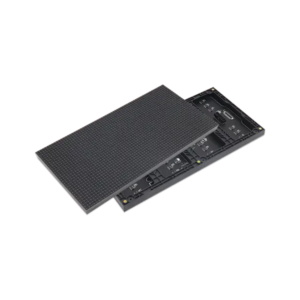 Digital Signage
ZKDigimax DG01-A2P50M
Read moreZKDigimax DG01-A2P50M Outdoor LED Module – Pixel Pitch 5MM – Module Size: 320mm * 160mm – Brightness: 4500 cd/m2 – Use Multiple Stackable LED Modules to Create A Large Display Wall

-
Digital Signage
ZKDigimax DG01-A2P25M
Read moreZKDigimax DG01-A2P25M Outdoor LED Module – Pixel Pitch 2.5MM – Module Size: 320mm * 160mm – Brightness: 4500 cd/m2 – Use Multiple Stackable LED Modules to Create A Large Display Wall
-
 Digital Signage
ZKDigimax DG01-A2P25
Read moreZKDigimax DG01-A2P25 IP65-Rated Weatherproof Outdoor LED Panel for Digital Signage – Panel Size: 960mm * 960mm * 100mm – 2.5MM Pixel Pitch – Can Stack Multiple Panels to Create a Large Display – Each Cabinet Includes 18 * DG01-A2P25M LED Modules
-
Digital Signage
ZKDigimax DG01-A2P50
Read moreZKDigimax DG01-A2P50 IP65-Rated Weatherproof Outdoor LED Panel for Digital Signage – Panel Size: 960mm * 960mm * 100mm – 5MM Pixel Pitch – Can Stack Multiple Panels to Create a Large Display – Each Cabinet Includes 18 * DG01-A2P50M LED Modules