
- Hardware: Displays (screens, kiosks, video walls) and media players that connect to the screen.
- Software: A Content Management System (CMS) is used to create, schedule, and update content remotely from a central location.
- Content Types: Dynamic content includes video clips, live data feeds (news/weather), RSS feeds, images, animations, and interactive apps.
- Retail & Restaurants: Menu boards, product showcases, and interactive kiosks.
- Corporate: Meeting room bookings, employee communication, and lobby branding.
- Public Spaces: Wayfinding, transportation schedules, and emergency alerts.
- Real-time Updates: Instantly change promotions or information.
- Enhanced Engagement: Dynamic, high-definition content captures attention better than static, printed posters.
- Cost-Effective: Eliminates printing and installation costs for new signage.
-
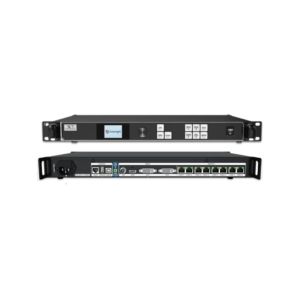 Digital Signage
Colorlight X7
Read moreColorlight X7 LED Video Controller – Professional Video Processor

-
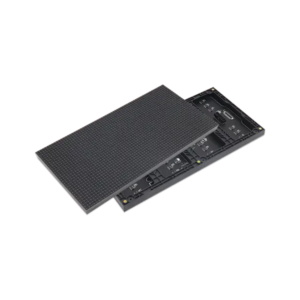 Digital Signage
ZKDigimax DG01-A2P25M
Read moreZKDigimax DG01-A2P25M Outdoor LED Module – Pixel Pitch 2.5MM – Module Size: 320mm * 160mm – Brightness: 4500 cd/m2 – Use Multiple Stackable LED Modules to Create A Large Display Wall

-
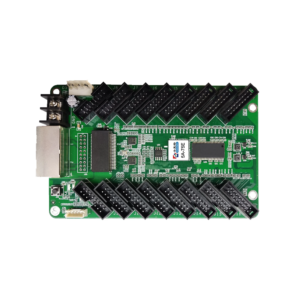 Digital Signage
Colorlight 5A-75E
Read moreColorlight 5A-75E LED Data Receiving Card – 1* LED Card Required Per LED Cabinet For LED Display
-
 Display Solutions
ZKDigimax DG01-A1P15-Accessory-Kit
Read moreZKDigimax DG01-A1P15-Accessory-Kit – Used Per LED Cabinet with 6* LED Modules – Includes -> 6 * LED Module Ribbon Cables + 1 * Cascaded Power Cord + 1 * Grade Networking Cable + 3 * Module Power Cords + 1 * Power Cord for LED Receiver
-
 Display Solutions
ZKDigimax eSuckre-P
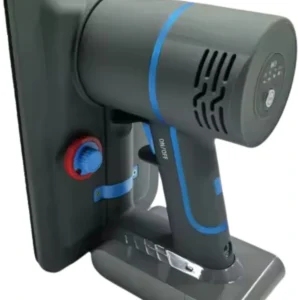
Read moreZKDigimax eSuckre-P LED Magnetic Vacuum Suction Tool – Used For Replacing LED Modules Easily
-
 Digital Signage
Colorlight 5A-75B
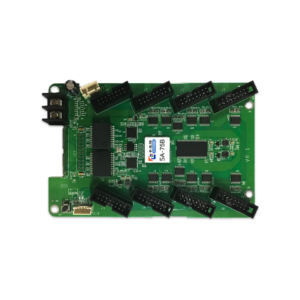
Read moreColorlight 5A-75B LED Data Receiving Card – 1* LED Card Required Per LED Cabinet For LED Display
-
 Digital Signage
Colorlight X4s
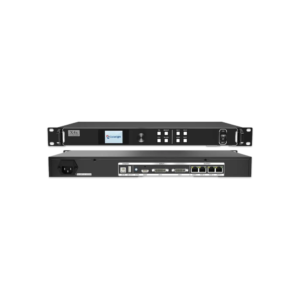
Read moreColorlight X4s LED Video Controller – Professional Video Processor
-
 Digital Signage
ZKDigimax DG01-A1C15
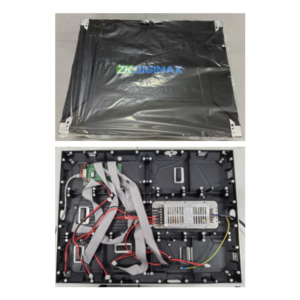
Read moreZKDigimax DG01-A1C15 Indoor LED Cabinet – Material: Die Cast Aluminium – Size: 640mm * 480mm – Allows Up To 6 * LED Modules Fitted Inside The Cabinet – Use Multiple Stackable LED Modules to Create A Large Display Wall
-
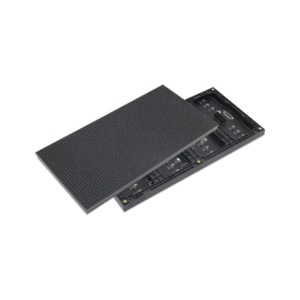 Digital Signage
ZKDigimax DG01-A1P20M
Read moreZKDigimax DG01-A1P20M Indoor LED Module – Pixel Pitch 2.0MM – Module Size: 320mm * 160mm – Brightness: 800 cd/m2 – Use Multiple Stackable LED Modules to Create A Large Display Wall
-
 CCTV / Surveillance
Hikvision HikCentral-P-DS-1Unit
Read moreHikvision HikCentral-P-DS-1Unit HikCentral Professional Management Software with Digital Signage Single Channel License

-
 Digital Signage
Hikvision DS-D6043UN-DP
Read moreHikvision DS-D6043UN-DP 43″ Slim Digital Signage Display – Android 13 – Built-in LAN + WiFi – 4K Resolution
-
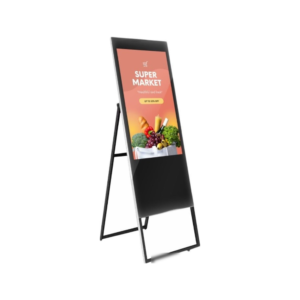 Digital Signage
ZKDigimax DG03-A2F43-O
Read moreZKDigimax DG03-A2F43-O 4K Portable Digital Signage LED Poster – IP65 Outdoor-Rated – LED Size 43″ (43-Inch) – Android 11 OS – Built-in Speakers – Supports Display of Images & Videos
-
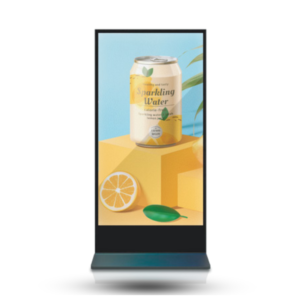 Digital Signage
ZKDigimax DG03-A1F86
Read moreZKDigimax DG03-A1F86 86″ Floor-Standing Digital Signage – Powered By Android 11 – Supports 4K Resolution – Built-in HiFi Surround Sound
-
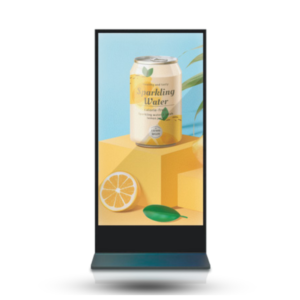 Digital Signage
ZKDigimax DG03-A1F75
Read moreZKDigimax DG03-A1F75 75″ Floor-Standing Digital Signage – Powered By Android 11 – Supports 4K Resolution – Built-in HiFi Surround Sound
-
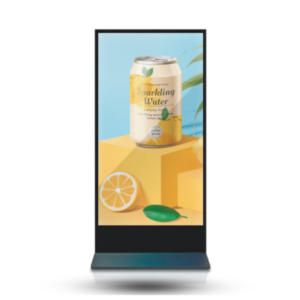 Digital Signage
ZKDigimax DG03-A1F65
Read moreZKDigimax DG03-A1F65 65″ Floor-Standing Digital Signage – Powered By Android 11 – Supports 4K Resolution – Built-in HiFi Surround Sound
-
Digital Signage
Hikvision DS-D6050UN-DP
Read moreHikvision DS-D6050UN-DP 50″ Slim Digital Signage Display – Android 13 – Built-in LAN + WiFi – 4K Resolution
-
 Digital Signage
Hikvision DS-D6055UT-D/S
Read moreHikvision DS-D6055UT-D/S Floor-Standing Series 55″ Slim Digital Signage Display – Touchscreen – Comes with Fixed Brackets and Wheels – Android 13 – Built-in LAN + WiFi – 4K Resolution
-
Digital Signage
ZKDigimax DG03-A2F43
Read moreZKDigimax DG03-A2F43 1080P Full-HD Portable Digital Signage LED Poster – LED Size 43″ (43-Inch) – Android OS – Built-in Speakers – Supports Display of Images & Videos
-
 Digital Signage
ZKDigimax DG03-A1W55
Read moreZKDigimax DG03-A1W55 55″ (55-Inch) Digital Signage – Indoor Use – 4K Resolution – 16:9 Ratio – High Brightness – Built-in WiFi – Android 9 OS
-
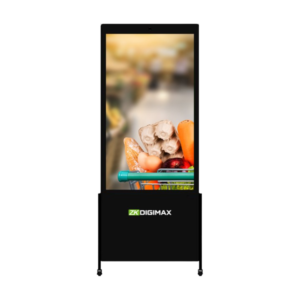 Digital Signage
ZKDigimax DG03-A3F55
Read moreZKDigimax DG03-A3F55 Portable Indoor AI Digital Signage – On Wheels – Powered By Android 12 – Supports 4K Resolution – Built-in 5MP Camera and AI Face Detection
-
 Digital Signage
ZKDigimax DG01-A2P25
Read moreZKDigimax DG01-A2P25 IP65-Rated Weatherproof Outdoor LED Panel for Digital Signage – Panel Size: 960mm * 960mm * 100mm – 2.5MM Pixel Pitch – Can Stack Multiple Panels to Create a Large Display
-
Digital Signage
ZKDigimax DG01-A2P50
Read moreZKDigimax DG01-A2P50 IP65-Rated Weatherproof Outdoor LED Panel for Digital Signage – Panel Size: 960mm * 960mm * 100mm – 5MM Pixel Pitch – Can Stack Multiple Panels to Create a Large Display
-
 Digital Signage
Hikvision DS-D60E-B
Read moreHikvision DS-D60E-B Digital Signage Smart Box – Android 8.1 – Built-in LAN + WiFi – Up To 4K Resolution Output – Works With Any Standard TV/Monitor For Digital Signage
-
 Digital Signage
Hikvision DS-D6065UN-DP
Read moreHikvision DS-D6065UN-DP 65″ Slim Digital Signage Display – Android 13 – Built-in LAN + WiFi – 4K Resolution
-
Digital Signage
Hikvision DS-D6055UN-DP
Read moreHikvision DS-D6055UN-DP 55″ Slim Digital Signage Display – Android 13 – Built-in LAN + WiFi – 4K Resolution
-
Digital Signage
Hikvision DS-D6055UN-D/S
Read moreHikvision DS-D6055UN-D/S Floor-Standing Series 55″ Slim Digital Signage Display – Comes with Fixed Brackets and Wheels – Android 13 – Built-in LAN + WiFi – 4K Resolution
-
CCTV / Surveillance
Hikvision HikCentral-P-DS-5Unit/Base/Promo
Read moreHikvision HikCentral-P-DS-5Unit/Base/Promo HikCentral Professional Management Software with Digital Signage Base Package – 5 Devices Licence Included