A guard patrol system is a technology-driven security solution used to monitor, log, and verify that security personnel are performing their assigned rounds, scanning checkpoints, and patrolling specific areas at scheduled times. It ensures accountability by tracking location and activity in real time using devices like RFID tags, QR codes, GPS, or mobile apps.
Key Components and Functionality
- Real-Time Monitoring: Systems allow managers to monitor guard movement and receive immediate notifications regarding missed checkpoints or incidents.
- Checkpoint Verification: Guards scan checkpoints (RFID tags or QR codes) using a device or smartphone app to confirm their presence at specific locations.
- Incident Reporting: Modern systems (apps) enable guards to report incidents, take photos, and send alerts (SOS button) immediately.
- Digital Reporting: Replaces paper logs with automated, detailed reports for improved accuracy.
Usage Examples
- Industrial/Commercial: Nightly patrols in warehouses, factories, and construction sites to prevent theft or check machinery.
- Residential/Commercial Security: Security guards in residential complexes or office buildings ensuring, for example, all doors are locked.
- Remote Monitoring: Using GPS and mobile apps to manage security at large, dispersed sites.
Synonyms and Related Terms
- Guard tour system
- Security patrol system
- Guard monitoring system
- Patrol management system
Commonly Used Technology
- RFID Tags/Buttons: Physical tags placed at checkpoints that guards scan with a handheld device.
- QR Codes: Scanned with mobile apps for checking in.
- GPS Tracking: Used for tracking outdoor patrol routes.
Benefits
- Ensures Accountability: Prevents laziness or missed check-ins.
- Improved Security: Enhances safety through constant, logged surveillance.
- Efficient Reporting: Automates time-consuming paperwork.
-
 CCTV / Surveillance
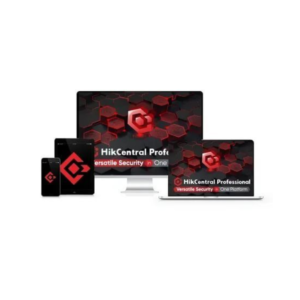
Hikvision HikCentral-P-GuardPatrol/Module
Read moreHikvision HikCentral-P-GuardPatrol/Module – HikCentral Professional Security Management Software with Guard Patrol Module License