
-
- Multi-Link Operation (MLO): Allows devices to send and receive data across multiple bands and channels simultaneously. Instead of forcing your router to switch between 5 GHz and 6 GHz, MLO aggregates them for higher throughput and fewer dropouts.
- Ultra-Wide 320 MHz Channels: Doubles the maximum channel width of Wi-Fi 6 (160 MHz), providing a massive “data highway” that allows for rapid downloads and heavy data transfers.
- 4096-QAM (4K-QAM): Increases data density. It allows transmission signals to pack 20% more data into the same space compared to the 1024-QAM used in Wi-Fi 6, resulting in higher peak data rates.
- Preamble Puncturing: Solves interference issues. If a portion of your Wi-Fi channel is blocked or congested, this feature “puncture-outs” the bad part while allowing the router to use the rest of the channel uninhibited.
More information on WiFi 7 – courtsey of Omada Networks
-
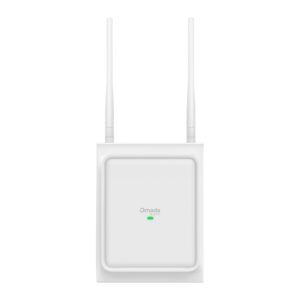 Mesh WiFi
Omada Networks EAP725-Outdoor
Read moreOmada Networks EAP725-Outdoor Dual-Band (5GHz + 2.4GHz) Directional / Omnidirectional BE3600 Indoor / Outdoor WiFi 7 Wireless Access Point – Up To 3.6Gbps – Supports Omada EAP Mesh & Fast Roaming

-
 Indoor WAP
Omada Networks EAP787
Read moreOmada Networks EAP787 Tri-Band (6GHz + 5GHz + 2.4GHz) BE12000 Indoor WiFi 7 Wireless Access Point – Up To 12Gbps – Ceiling-Mount – 10Gbps PoE LAN Port – Supports Omada EAP Mesh & Fast Raoming
-
 Indoor WAP
Omada Networks EAP773
Read moreOmada Networks EAP773 Tri-Band (6GHz + 5GHz + 2.4GHz) BE9300 Indoor WiFi 7 Wireless Access Point – Up To 9.3Gbps – Ceiling-Mount – 10Gbps PoE LAN Port – Supports Omada EAP Mesh & Fast Roaming
-
Omada Wireless Promotion
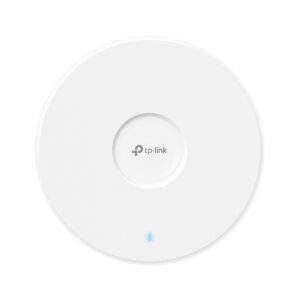 Indoor WAP
Omada Networks EAP772
Read moreOmada Networks EAP772 Tri-Band (6GHz + 5GHz + 2.4GHz) BE9300 Indoor WiFi 7 Wireless Access Point – Up To 9.3Gbps – Ceiling-Mount – 2.5Gbps PoE LAN Port – Supports Omada EAP Mesh & Fast Roaming
-
Omada Wireless Promotion
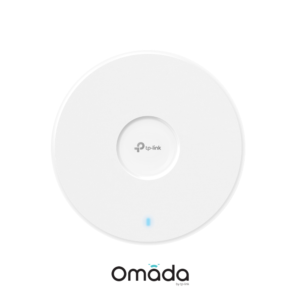 Indoor WAP
Omada Networks EAP723
Read moreOmada Networks EAP723 Dual-Band (5GHz + 2.4GHz) BE3600 Indoor WiFi 7 Wireless Access Point – Up To 3.6Gbps – Supports Omada EAP Mesh & Fast Roaming
-
Omada Wireless Promotion
 Mesh WiFi
Omada Networks EAP772-Outdoor
Read moreOmada Networks EAP772-Outdoor Tri-Band (6GHz + 5GHz + 2.4GHz) Omnidirectional BE9300 Indoor / Outdoor WiFi 7 Wireless Access Point – Up To 9.3Gbps – Supports Omada EAP Mesh & Fast Roaming