
UHF (Ultra-High Frequency) in access control refers to a long-range RFID (Radio Frequency Identification) technology that operates between 860 and 960 MHz. It allows readers to automatically identify credentials and grant entry from distances of 10 to 50 feet (3 to 15 meters), enabling hands-free access.
How It Works
- The Tags: Users carry passive, battery-free tags. These are often designed as adhesive stickers for vehicle windshields, headlamp stickers, or specialized keycards.
- The Readers: Long-range antennas are placed at entry points (like gates or garage doors). When a tag enters the detection zone, the reader emits a radio wave that powers the tag and reads its secure credentials.
Common Use Cases
- Vehicle & Parking Access: The most popular use is automated parking. Vehicles can enter gated communities, corporate lots, or logistics centres without the driver needing to roll down the window or stop to tap a card.
- Hands-Free Personnel Entry: Used in hospitals, cleanrooms, or high-security warehouses where employees are carrying equipment and need frictionless, touchless access through doors.
- Asset Tracking: Simultaneously tracking the movement of both personnel and valuable inventory across large sites.
Key Advantages
- Hands-Free Convenience: Eliminates the bottleneck of stopping to tap or swipe cards at close range.
- Traffic Flow: Ideal for high-traffic environments like distribution hubs or busy residential estates.
- Weather Resistance: Tags and readers work reliably in various environments and can often read through windshield tinting or harsh weather conditions.
Things to Consider
- Security: Traditional UHF tags can be vulnerable to cloning. For higher-security areas, it is important to use encrypted or secure UHF platforms (such as EPC Gen2 protocols) to prevent unauthorized access.
- Line of Sight: While it is long-range, metal and certain materials can block or distort the radio waves, requiring proper placement on the vehicle or badge.
-
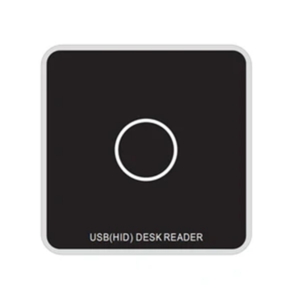 Access Control
Akuvox ACR-CID12
Read moreAkuvox ACR-CID12 Desktop UHF RFID Card-Reader – Used for issueing UHF RFID Cards / Tags to Use with Akuvox Access Control UHF Readers – Powered by USB – Works With ACMS Software

-
 Access Control
ZKTeco UHF1-Tag1
Read moreZKTeco UHF1-Tag1 Access Control UHF RFID Card/Tag – 860MHz~928MHz Support

-
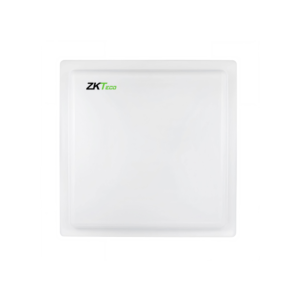 Access Control
ZKTeco U1000E Pro
Read moreZKTeco U1000E Pro Weatherproof Long Distance RFID UHF Controller & Reader For Access Control – 865MHz~868MHz Frequency – Supports Up To 9m Reading Distance – Built-in Two Relays, Wiegand In/Out, TCP/IP
-
 Access Control
Akuvox UHF-TAG11
Read moreAkuvox UHF-TAG11 Wireless UHF Tag For Access Control – Works With UHF Reader/s – 860MHz ~ 960MHz Frequency Support
-
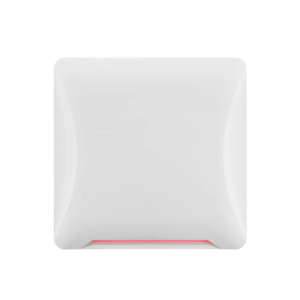 Access Control
Akuvox ACR-CRP12
Read moreAkuvox ACR-CRP12 Outdoor Weatherproof 915MHz Wireless UHF RFID Reader for Access Control – Up to 10m Reading Distance – 9VDC ~ 15VDC Powered