
-
- Encryption: It scrambles your data before it leaves your device, making it unreadable to hackers and eavesdroppers.
- Routing: It routes this encrypted data through a remote server run by your VPN provider.
- Masking: The websites you visit only see the IP address of the VPN server, not your actual device or physical location.
- Public Wi-Fi Safety: Encrypts your data on unsecured public networks (like those in cafes or airports), preventing your passwords or messages from being intercepted.
- Privacy from ISPs: Stops your internet service provider from tracking your browsing history or selling your data.
- Bypassing Geo-blocks: By connecting to a VPN server in another country, you can appear to be browsing from that location, which helps bypass regional content restrictions or censorship.
- Remote Work: Companies use VPNs to allow employees to securely access internal networks and proprietary files from outside the office.
-
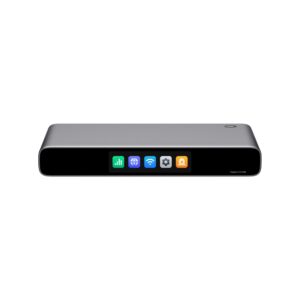 Cloud Controller
Omada Networks Fusion 2.5G PoE
Read moreOmada Networks Fusion 2.5G PoE Cloud VPN Gateway / Router / Controller with 8 * 2.5Gbps PoE Ports – 110w PoE Power – App Guided Onboarding Easy Setup – Desktop / Wall-Mount / Rackmount – 2.5-Inch LED Touchscreen – Supported By Omada Cloud App

-
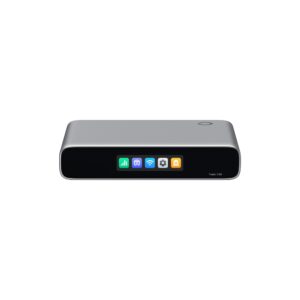 Cloud Controller
Omada Networks Fusion 2.5G
Read moreOmada Networks Fusion 2.5G Cloud VPN Gateway / Router / Controller – App Guided Onboarding Easy Setup – 5 * 2.5Gbps WAN & LAN Ports – Desktop / Wall-Mount / Rackmount – 2.5-Inch LED Touchscreen – USB-C Powered – Supported By Omada Cloud App
-
Omada VPN Gateway / Router Promotion
 3G/4G Routers
Omada Networks ER603WP-4G-Outdoor
Read moreOmada Networks ER603WP-4G-Outdoor 4G/LTE N300 Outdoor PoE Gateway -300Mbps on 2.4GHz WiFi – PoE / 12VDC Powered – Centralized Management – Omada App – Supports Omada EAP Mesh and Fast Roaming
-
Omada VPN Gateway / Router Promotion
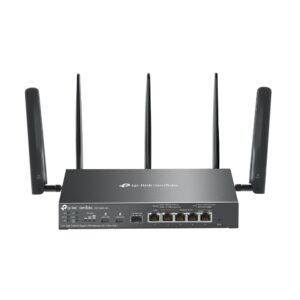 3G/4G Routers
Omada Networks ER706WP-4G
Read moreOmada Networks ER706WP-4G 4G+ AC3000 Gigabit Wireless VPN Gateway / Router with 4 * PoE Ports – Supports 4G/LTE – 3Gbps Dual-Band WiFi – Centralized Management – All Gigabit Ports – Supports VLAN – Omada App – Supports Omada EAP Mesh and Fast Roaming
-
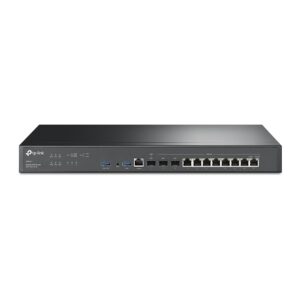 Gateways / Routers
Omada Networks ER8411
Read moreOmada Networks ER8411 Multi-Gigabit (10Gbps) Rackmount VPN Gateway / Router – 2 * 10Gbps SFP Slots (1 * WAN + 1 * WAN/LAN) + 10 * Gigabit WAN Ports
-
Omada VPN Gateway / Router Promotion
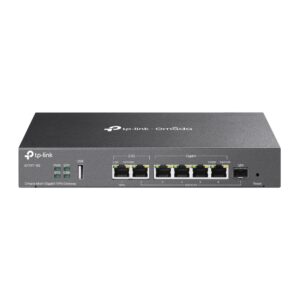 Gateways / Routers
Omada Networks ER707-M2
Read moreOmada Networks ER707-M2 Multi-Gigabit Rackmount VPN Gateway / Router – 2 * 2.5Gigabit RJ45 Ports (1* WAN + 1* WAN/LAN) + 5 * Gigabit WAN/LAN Ports (1* SFP + 4* RJ45)
-
Omada VPN Gateway / Router Promotion
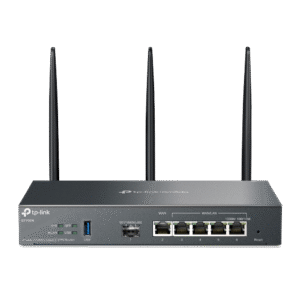 Gateways / Routers
Omada Networks ER706W
Read moreOmada Networks ER706W AC3000 Gigabit Wireless VPN Router – 3Gbps Dual-Band WiFi – Centralized Management – All Gigabit Ports – Supports VLAN – Omada App – Supports Omada EAP Mesh & Fast Roaming
-
Omada Wireless Promotion
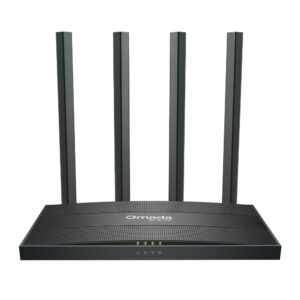 Networking Products
Omada Networks ER605W
Read moreOmada Networks ER605W AC1200 Gigabit Wireless VPN Router – Dual-Band WiFi – Centralized Management – All Gigabit Ports – Supports VLAN – Omada App
-
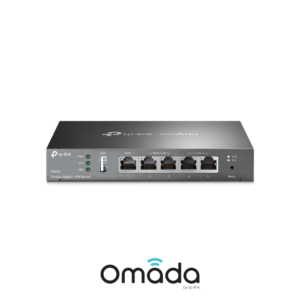 Networking Products
Omada Networks ER605
Read moreOmada Networks ER605 Gigabit VPN Router – Centralized Management – All Gigabit Ports – 1 USB + 1 WAN + 2 WAN/LAN – Supports VLAN – Omada App